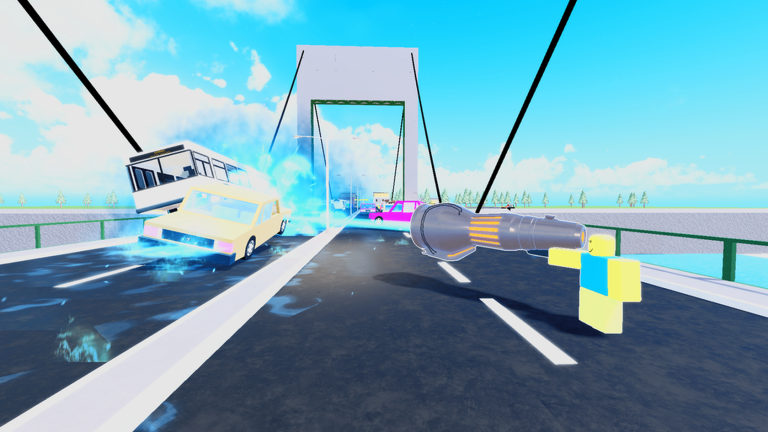
A Long Road - BETA
Surviving the road, building the car properly, and keeping the trip alive past the early kilometers is the core of A Long Road - BETA.
A Long Road - BETA turns travel itself into the main problem to solve. The game drops the group into a starting house with a garage, basement, and attic, gives them a partly assembled vehicle, and makes it clear right away that moving forward depends far more on setup and maintenance than on rushing.
A lot of the charm comes from that hands-on opening. The car does not start ready to go: engine, battery, radiator, four wheels, four doors, and fuel all matter before the first serious drive. The starting house also works like a small prep base, with food in the fridge, useful tools, gasoline, diesel, and spare parts spread across the garage, basement, and attic.
Players who like road survival, vehicle management, and long-run tension where small mistakes can wreck the trip usually get a lot out of it. A Long Road works best when you treat the route as part of the survival loop instead of seeing it as empty space between events.
305.2K
Favorites
89.6K
Upvotes
11.1K
Downvotes
How to play A Long Road - BETA
The best way to start A Long Road - BETA is to finish the car carefully before worrying about distance. Leaving too early with missing or badly placed parts usually wastes more time than spending a few extra minutes making the vehicle trustworthy.
First steps
- Search the starting house and garage before driving off. The map already gives you food, drinks, a flashlight, a radio, gas, diesel, and key car parts right away.
- Build the car in order: engine, battery, radiator, four wheels, and four doors. Skipping those basics makes early failure much more likely.
- Fuel the car before testing the road, because the game asks for resource reading as much as it asks for assembly.
- Use the house like a staging area: the fridge, workbench, basement, and attic help you decide what is worth carrying and what only creates clutter.
What changes everything
- Do not ignore the garage checklist. It exists to stop exactly the kind of simple setup mistake that kills a run.
- In co-op, splitting roles between building, gathering food, and hunting parts makes the opening much smoother.
Tips for A Long Road - BETA
A Long Road gets better when you treat the starting house as part of the run instead of a waiting room. The way you organize that first space usually decides whether the trip becomes progress or just a delayed collapse.
Helpful tricks
- Not overloading the car is already smart play. Carrying what supports food, fuel, light, and repair is usually better than stuffing every item you see into the vehicle.
- Small missing parts matter a lot. Forgetting the battery or radiator can ruin a run faster than missing some flashy extra item.
- The starting food matters. The fridge is not just scenery; it helps stabilize the first stretch of the trip.
- The attic and basement are worth checking. Skipping them can mean missing tires, rims, diesel, or another useful early item.
Curiosities about A Long Road - BETA
A Long Road openly leans into the road-survival lineage behind it. The public description directly cites The Long Drive and My Summer Car as inspirations, and even frames the project as trying to push the formula in a less pay-to-win direction than some comparable games.
It is also interesting how much the starting house already sells the game’s identity. Instead of throwing players straight onto an empty road with everything resolved, it begins in a domestic space full of parts, food, drink, and mechanical clutter, making the trip feel improvised from the very first minute.
Progress & Economy of A Long Road - BETA
Progress in A Long Road - BETA is not built around flashy currency so much as travel autonomy. The better you convert food, fuel, spare parts, and cargo space into stability, the farther you can go without every stretch turning into a crisis.
The practical economy of a run starts with what the house gives you and what the group decides to load. Gasoline, diesel, wheels, battery, radiator, and support items all compete for attention early, and the real gain comes from keeping the car functional longer instead of hoarding random gear with no plan.
Related posts