Bendy and the Ink Machine
Bendy and the Ink Machine brings the dark animation-studio aesthetic into a Roblox experience where atmosphere matters as much as progression. It works best when the player enters for mood and exploration first.
+4
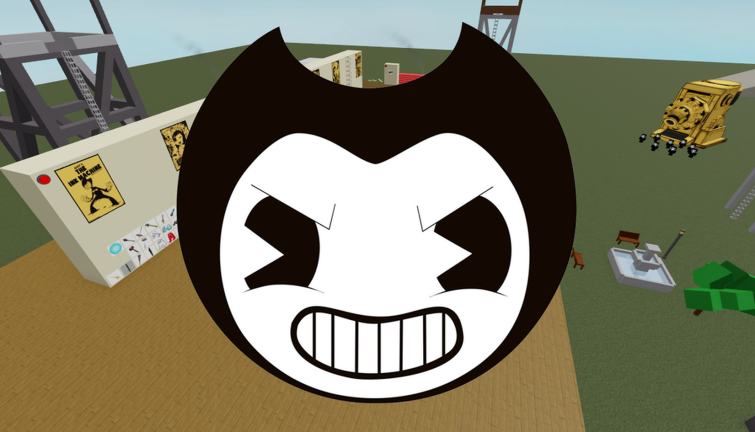
Bendy and the Ink Machine stands out because its visual identity already does half the work. The game uses the abandoned studio mood, ink imagery, and constant strangeness to make exploration feel naturally uncomfortable.
When that atmosphere clicks, the experience works without needing an oversized system layer. The value comes from the route itself, the feeling of discovery, and the pressure that the aesthetic puts on each new space.
176.3K
Favorites
57K
Upvotes
13.5K
Downvotes
How to play Bendy and the Ink Machine
Explore at the pace of the setting
- Read the environment before rushing to the next objective.
- Use exploration to understand the tone and spatial logic.
- If the game hints at something strange, follow that lead instead of brushing it aside.
- Maps like this land better when you accept the atmosphere as part of the gameplay.
How to enjoy it better
- Atmosphere is the main resource here, so careful play pays off.
- Even without heavy progression, the map works through sensory journey and mood.
Tips for Bendy and the Ink Machine
Useful tips
- If an area feels unimportant, give it another look before moving on.
- Play with audio and patience to get more from the visual weight of the game.
- Do not expect a long grind; the focus is on mood and movement through the space.
Curiosities about Bendy and the Ink Machine
The biggest strength of this Roblox version is how well it preserves Bendy's atmosphere without trying to copy more complex systems one to one. It understands that setting and feeling are already a major part of the experience.
That makes the map work well as a thematic adaptation, especially for players who value mood and exploration over heavy economy loops.
Progress & Economy of Bendy and the Ink Machine
The economy of Bendy and the Ink Machine is more symbolic than currency-driven. The real value comes from gaining access to the setting, moving deeper into the atmosphere, and feeling the discovery of a world built around ink, tension, and visual unease.
In practice, progression happens more through environmental reading than through traditional accumulation. Each new room, strange detail, or unsettling clue becomes its own reward for players willing to explore rather than sprint to the end.
Useful links for Bendy and the Ink Machine
Videos
Images
Related posts