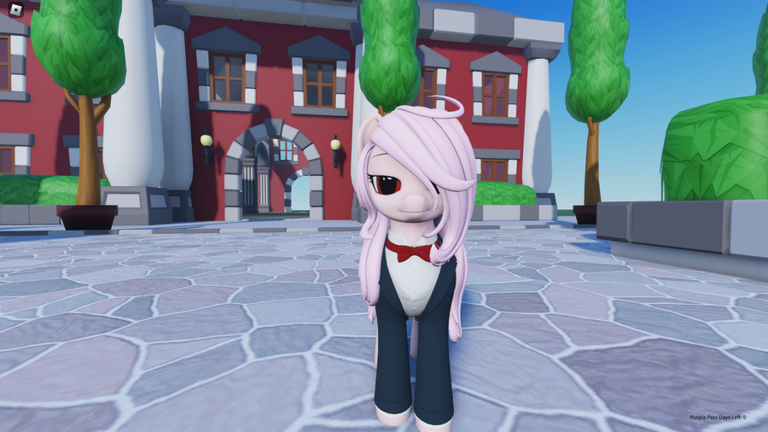
Build-A-Pony follows a very direct idea: let the player create, adjust, and show off a pony inside a space built for visual expression and lighter roleplay.
That completely changes the usual game loop. Instead of combat, farming, or racing for power, the value comes from designing stronger characters, gathering inspiration, and using the environment as a place for presentation and social play.
For players who enjoy avatars, visual creation, and slower Roblox experiences, it works precisely because it does not overcomplicate what it already does well.
30K
Favorites
5.4K
Upvotes
792
Downvotes
How to play Build-A-Pony
How to start well
- Use your first minutes to understand which parts of the pony can be customized and how each detail changes the final look.
- Build a simple base first, then refine colors, mane, accessories, and small identity touches.
- Walk through the social areas for inspiration without losing your own style in the process.
The game works best when you treat the editor as the real core of the experience. Instead of chasing fixed goals, the fun comes from testing combinations until the design actually feels like yours.
Tips for Build-A-Pony
Useful tips
- Do not try to use every option at once; stronger looks usually come from more consistent choices.
- If you find a good combination, change one detail at a time so the overall design stays readable.
- Roleplay maps feel better when you already enter with a clear idea, like fantasy, everyday style, or an original character.
- Other players can be good references, but the most fun part is ending up with a pony that feels recognizably yours.
Curiosities about Build-A-Pony
Build-A-Pony shows a side of Roblox that lives more through creativity and community than through combat or number-based progression.
Experiences like this stay memorable because they turn customization into the main activity, with the social map acting as both showcase and stage for player-made looks.
Progress & Economy of Build-A-Pony
Progress here is much more aesthetic than financial. Growth shows up when you understand the editor better, expand your visual range, and start building more coherent and memorable designs.
Because there is no strong public economy driving the journey, the best measure of progress is how many different styles you can create without losing identity.
Images
Related posts