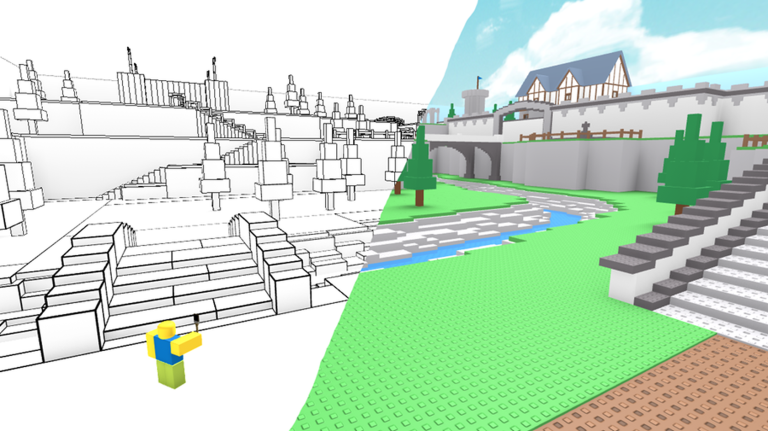
Color Book works because it understands that not every game needs pressure to keep players engaged. The idea is simple: choose an image, fill in color, and watch the scene respond step by step, creating a steady sense of visual progress that can carry a session on its own.
That structure becomes strong precisely because of its calm tone. The appeal is not in beating other players or mastering a complex system, but in watching the picture come together at your own pace, with time to notice details, switch maps, and enjoy the process as much as the finished result.
It also helps that the game is not limited to one static screen. Different maps, small events, and party mode give it enough air to avoid feeling stale too quickly, keeping painting at the center without turning the whole experience into an artificial grind.
114.5K
Favorites
How to play Color Book
The best way to approach Color Book is to paint at your own pace. Treating every session like a race usually works against what makes the game feel good.
- Pick a map that fits your mood: changing images helps preserve freshness.
- Paint for consistency, not speed: the game rewards flow more than rushing.
- Use party mode if you want a lighter session with friends: it changes the mood without breaking the core loop.
- Let the process lead you: in a coloring game, the act matters almost as much as the finished picture.
Codes & Tips of Color Book
The best tricks here are more about pacing and map choice than outside shortcuts.
- Do not turn every session into a forced full clear: it works better when you let the painting breathe.
- Try different maps before repeating the same style forever: that helps calm stay fresh instead of mechanical.
- Use small events as extra goals, not pressure: they work best as seasoning.
- If you play socially, share the mood instead of racing for speed: the social side works better when it stays light.
Tips for Color Book
Color Book gets better when you accept that its strength lies in visual comfort and gradual progress.
- If the goal is to relax, do not force productivity every minute: part of the fun is simply watching the image grow.
- Changing maps at the right time helps a lot: small novelty can refresh the session.
- Party mode can break monotony without breaking the concept: it is useful when you want a different tone.
- Notice how the scene reacts to color: that visual response is the heart of the game.
Curiosities about Color Book
Color Book stands out because it shows how well the platform can support calm experiences too. With no combat, no race, and no overloaded systems, it still holds attention through visual completion alone.
Another interesting detail is how small events and limited items act as seasoning rather than disruption. The game preserves its main simplicity and only adds enough extra goals to keep things feeling fresh.
Progress & Economy of Color Book
Progress here does not rely on a heavy classic economy, but on map variety, light events, and an increasing sense of visual completion. Growth feels more like expanding your experience than stacking numbers.
That works because the reward is different from a power spike. Instead of raw dominance, the game offers the satisfaction of each session producing a brighter image, a new map explored, or a better shared moment through party mode.
Useful links for Color Book
Videos
Images
Related posts