Demon Cry
A Roblox fighting game built around direct combat, character growth, and the kind of progression that feels stronger inside the fight itself.
Demon Cry works best as a compact combat-focused experience. Instead of leaning on a long public description or a huge list of systems, it sells itself through the feeling of entering a fight, testing range and tempo, and letting character growth show through cleaner performance in battle.
That gives the game a more closed and execution-heavy identity. Your account does improve, but progress is not carried by stats alone. Positioning, timing, and the ability to choose safer or stronger exchanges matter a lot more than they do in looser anime brawlers.
Players who enjoy anime-styled fighting, personal progression, and skill expression will probably get the most out of it. The fun comes from moving past messy early clashes and turning each upgrade into a more controlled and convincing fight.
39.7K
Favorites
26.7K
Upvotes
3.5K
Downvotes
How to play Demon Cry
The safest opening is using the first fights to read distance, recovery, and punishment windows instead of trying to overwhelm everything immediately. In Demon Cry, that early adjustment matters because confused combat usually slows progress faster than raw lack of power does.
It also helps to treat every upgrade as a combat tool rather than a trophy. When the character gets stronger, the important question is what changed inside the exchange: whether you can pressure more, play safer, or punish sooner without losing control of the fight.
If the game opens new challenges or routes gradually, the better path is usually growing with that sequence instead of skipping ahead too early. In smaller fighting experiences, forcing matchups before your rhythm fits them often pays worse than steady progression.
Codes & Tips of Demon Cry
The most useful version of this section for Demon Cry is practical combat advice. Start by playing at short range and watching which attacks leave your character most exposed, because that kind of read usually pays off more than throwing attacks out just to stay busy.
Another strong shortcut is refusing to treat upgrades like automatic solutions. If fights still look messy, gaining a little more power without fixing your timing and exchange choices rarely solves the real issue for long. In a smaller combat game, clean progress usually starts with steadier execution before it turns into bigger damage.
Tips for Demon Cry
When a fight feels unfair, the real problem is often repeating the same pattern instead of lacking power outright.
Cleaner exchanges usually matter more than rushing, especially when the game rewards timing and response windows.
If an upgrade changed your numbers but not your results, the issue may be execution rather than progression.
Curiosities about Demon Cry
Demon Cry is still cataloged as a fighting game dating back to 2021, which helps explain why it feels more direct and less inflated than many newer anime combat projects.
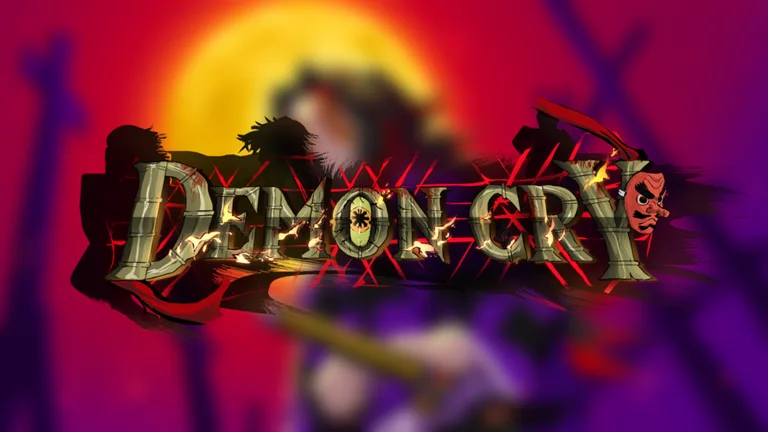
The name and key art push a dark anime identity even without a long official description doing that work for them.
The listed creator is Mugen Entertainment, which anchors the page to a specific project instead of letting it blur into a generic catalog fighter.
Progress & Economy of Demon Cry
Progress here feels tied more to useful combat strength than to a layered currency economy. The account starts mattering when your character improves enough to turn difficult fights into more stable and controlled exchanges.
Because of that, the smartest way to read progression in Demon Cry is not only by asking how much stronger you became, but by asking how much better that strength made your execution. In this kind of game, good growth shortens mistakes, opens better punish windows, and keeps the climb from stalling.
Images
Related posts