
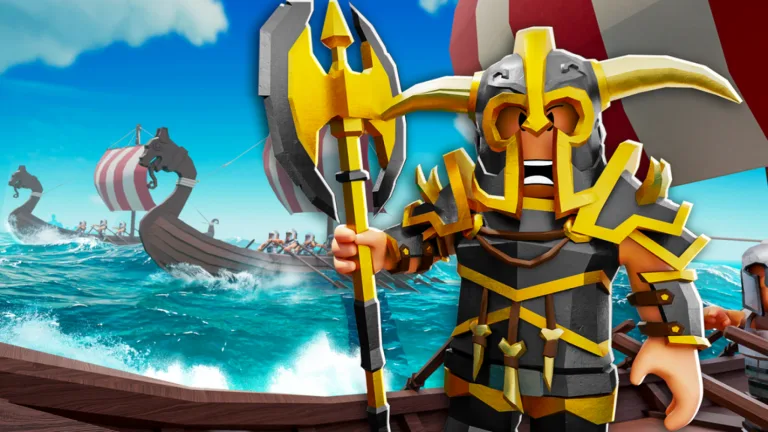
The Survival Game
The Survival Game is an open-world medieval survival experience where hunger, shelter, crafting, and player tension turn every bit of progress into something you have to protect.
+6
The Survival Game works because it makes the world feel hostile without overselling the drama. Hunger, shelter, resources, crafting, and the presence of other players are already enough to build tension, since everything you gain has to be defended in a place where risk never fully disappears.
That balance is what gives the experience identity. The map is not just there to be crossed; it has to be read. Where you live, where you travel, when you turn back, and who you trust matter as much as the item you craft, which makes survival feel more lived-in than purely mechanical.
That is also why it lands so well for players who like progression with consequences. Having resources is not enough. You need to turn them into security, autonomy, and a base that can survive pressure. Once that chain starts working, The Survival Game stops being just a nice medieval sandbox and becomes a world where each decision feels expensive.
855.1K
Favorites
284.6K
Upvotes
61.5K
Downvotes
How to play The Survival Game
The best start here is to stabilize the basics before chasing big ambitions. Food, tools, shelter, and a safe route out and back matter far more in the opening stretch than dreams of expansion or deep roaming.
What keeps a run healthy
It helps to place your base in terrain that actually works for you, secure nearby resources, and avoid trading long-term safety for empty adventure. The Survival Game gets much better when exploration and returning home stay in balance, because that lets you grow without resetting everything after one careless mistake.
Codes & Tips of The Survival Game
The most useful tricks here are practical survival habits. One of the biggest is never treating the map as neutral ground: leaving base with a goal, enough supplies, and a planned way back cuts down the chance of losing an entire session to a short reckless push.
It also helps to treat alliances like a resource. In an open world with social danger, a solid partner can matter more than slightly better gear because it changes base defense, task splitting, and how well you respond when another group moves into your area.
Tips for The Survival Game
- Bravery without structure usually costs more than it pays in survival games.
- Terrain, distance, and the route home matter as much as the crafting bench itself.
- When your base can handle larger risks without collapsing, that is a real sign of progress.
Curiosities about The Survival Game
Part of The Survival Game's strength comes from the fact that danger does not always arrive through creatures or scripted events. Sometimes what completely changes a run is simply another player or group contesting the same ground, the same materials, or the same growth window.
That gives the world a more lived-in tone than a checklist survival loop. The crafting and building matter, but what really drives the story of a session is how the land and the people around you keep forcing new decisions about safety, ambition, and coexistence.
Progress & Economy of The Survival Game
The economy here is deeply practical: food, materials, shelter, tools, and gear determine how far you can push without losing your footing. Real progress starts when your setup stops surviving by luck and begins absorbing risk consistently.
In practice, growing well means turning resources into stability. The more your base, inventory, and organization can support exploration, defense, and safe returns, the more the world opens up without making every setback feel like a total wipe.
Videos
Images
Related posts


