therapy
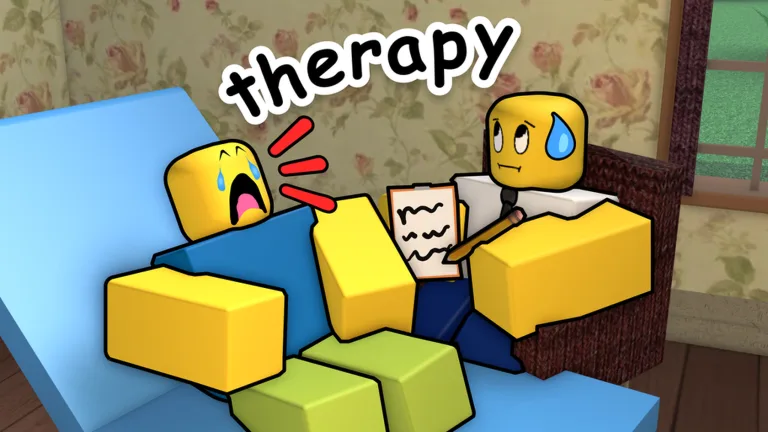
therapy works as a social game built around light conversation, odd humor, and small hidden corners to explore between interactions. It holds attention less through traditional objectives and more through atmosphere, rooms, improvised talk, and the kind of curiosity the map creates.
The experience gets better once you understand that rhythm. Instead of treating everything like a static lobby, it helps to move around, try the minigames, check the rooms, look for secrets, and let the environment become part of the session.
+1
therapy stands out because it uses a simple social format but pushes it with a very specific personality. The game does not need a heavy system stack to work; it leans on mood, controlled weirdness, improvised conversation, and the small discoveries hidden across the map.
That makes the page stronger when the text understands that the fun is not only in joining to talk, but in moving, observing, testing, and letting the setting join the experience. Rooms, radio interactions, secrets, minigames, and badges help turn a casual meetup into something more memorable.
Players who like social games with humor, light mystery, and quiet exploration will probably get the most from it. therapy gets much better once you stop waiting for a big objective and start reading value in small interactions and map details.
497.5K
Favorites
104.9K
Upvotes
11.3K
Downvotes
How to play therapy
The easiest way to play therapy is to enter a room, talk, walk around the map, and test what each area offers. The game is driven by interaction, so a lot of the value comes from chatting, changing spaces, entering different rooms, and finding small surprises hidden in the scenery.
It is also worth paying attention to the extra map features. Recent updates pushed room skins, minigames at spawn, and a server list for voice chat, so sessions usually feel stronger when you mix conversation with short exploration and environment testing.
Codes & Tips of therapy
Codes and practical tricks matter here more as map reading and social setup than as raw stat bonuses. The best trick is to treat the environment like it matters: sit in different chairs, use the radio, search for secret rooms, interact with objects, and explore the lobby slowly. That opens much more than simply standing still in one spot.
Another useful trick is choosing the right type of server. In a social game, the mood changes a lot between a crowded room, a quieter room, and a voice server, so picking the right space makes a bigger difference than many players expect.
Tips for therapy
If one room feels flat, changing spaces usually works better than forcing the same conversation.
Careful lobby exploration helps a lot if you enjoy badge hunting and small secrets.
Voice servers can completely change the session mood, so they are worth testing when you want looser interaction.
therapy feels best when you alternate talk, movement, and curiosity.
Curiosities about therapy
The game openly frames itself as a place for satirical and lighthearted conversation, which explains its humor and energy very well. That helps separate it from more neutral social spaces or from roleplay-heavy rooms.
Another interesting detail is how the badges push players into discovery. Sitting in every chair, finding secret rooms, using a disk on the radio, interacting with the statue, or unlocking the office all create small goals that fit the game's slow exploration style.
Progress & Economy of therapy
Progress and economy in therapy are much more about discovery, movement, and unlocking than about a traditional currency loop. Sessions improve when players learn the map, find secrets, understand where interaction flows best, and turn that into more badges, more curiosities, and more conversation material.
That makes progression highly social and environmental. Knowing routes, rooms, objects, and server types improves the quality of the session and also expands how much you can get out of each visit.
Videos
Images
Related posts